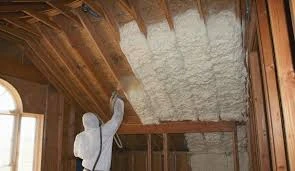
5 Unexpected Ways Insulation Can Save You Money
When it comes to saving money on your energy bills, insulation is often the unsung hero of the home. Not only does proper insulation keep your living space comfortable year-round, but it also dramatically reduces your heating and cooling expenses. Upgrading your insulation can lead to substantial savings, especially in older homes where inefficiencies may reign supreme. Here are five unexpected ways that insulating your home can put money back into your wallet:
- Lower Energy Bills: The most obvious saving comes from reduced energy costs; with insulation, your HVAC system spends less time working to maintain your home's temperature.
- Increased Home Value: Insulated homes are more attractive to buyers and can command higher prices on the market.
- Tax Credits: Depending on your location, upgrading your insulation may qualify you for tax incentives, further saving you money.
- Longer Lifespan of HVAC Systems: Proper insulation reduces the workload on your heating and cooling systems, prolonging their lifespan and decreasing maintenance costs.
- Improved Comfort: Better comfort can result in fewer health issues related to temperature fluctuations, which can save on medical bills over time.
How Insulation Improves Indoor Air Quality: The Hidden Benefits
Insulation plays a crucial role in enhancing indoor air quality by minimizing the exchange of outdoor pollutants with indoor air. Well-insulated homes prevent drafts and air leaks, significantly limiting the entry of dust, allergens, and various outdoor contaminants. This creates a more stable indoor environment that promotes cleaner air. In addition, effective insulation helps to maintain a consistent indoor temperature, reducing the burden on heating and cooling systems. This not only leads to a more comfortable living space but also minimizes the energy consumption associated with maintaining ideal temperatures.
Moreover, insulation can help control moisture levels, which is vital for preventing mold growth. Mold thrives in damp environments, and homes with poor insulation often experience issues with humidity and condensation. By using proper insulation materials, homeowners can create a barrier that regulates moisture and inhibits mold development. The result is not only a healthier home environment but also reduced health risks related to poor indoor air quality, such as respiratory issues and allergies. Thus, investing in quality insulation is a smart choice for enhancing both comfort and overall health.
Is Your Home Insulated for Every Season? Here's What You Need to Know
Insulation plays a crucial role in maintaining a comfortable home year-round. Understanding whether your home is insulated for every season can save you money on energy bills and enhance your living experience. During the winter, proper insulation helps retain heat, while in summer, it keeps the heat out, ensuring that your HVAC system works efficiently. If you haven’t assessed your insulation recently, consider checking your attic, walls, and floors for any gaps or weaknesses that could compromise your home’s thermal performance.
To ensure your home is ready for seasonal changes, follow these essential tips:
- Conduct a thorough inspection of your insulation materials, such as fiberglass or foam, to determine their effectiveness.
- Look for signs of moisture or mold, which can indicate insulation failure.
- Seal any leaks around windows, doors, and ducts to prevent air leakage.
- Consider upgrading your insulation if it's outdated or insufficient for your climate.